



Consumer & Trends
A quiet but significant shift is underway in how Indian consumers shop for perfume. Where brand recognition and imported labels once dictated purchase decisions almost entirely, a growing number of buyers are now making an active, informed choice to go with “inspired” fragrances — perfumes formulated to closely resemble popular designer scents, sold under independent, homegrown labels at a fraction of the price.
This isn’t simply about people settling for less because they can’t afford the original. Increasingly, it’s a deliberate, value-driven decision — and brands like Dinu Perfumes are both benefiting from and helping to accelerate this shift.
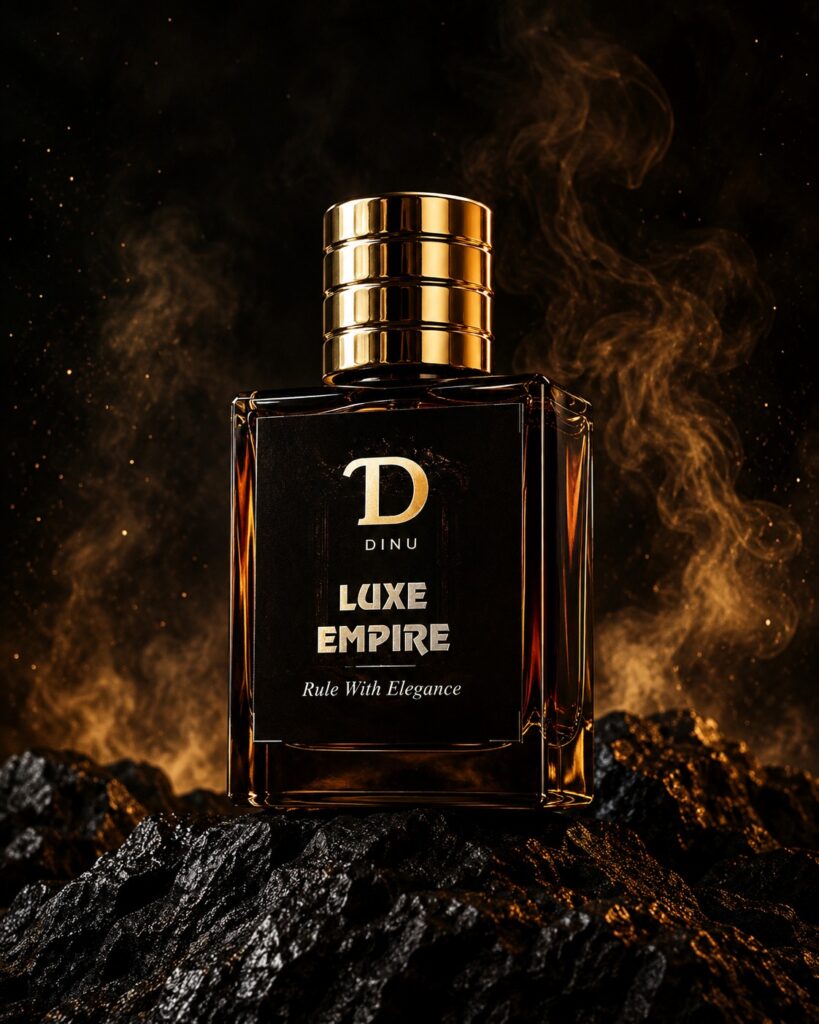
The Psychology Behind the Shift
For decades, perfume purchasing in India was heavily influenced by brand prestige — a recognizable name on the box mattered as much as, if not more than, the scent itself. Buying an internationally known fragrance was as much a status statement as a personal indulgence.
That dynamic is evolving. A new generation of consumers, more comfortable researching products online and reading peer reviews before buying, has started to separate the scent experience from the brand story. If a fragrance smells rich, lasts through the day, and costs a fraction of the “original,” many buyers are no longer willing to pay a premium purely for a logo.
This isn’t unique to perfume. Similar consumer behaviour has already reshaped categories like eyewear, watches, and fashion accessories in India, where “inspired” and dupe products have moved from being a slightly embarrassing secret to an openly discussed, socially accepted purchasing strategy. Perfume appears to be the latest — and one of the most successful — categories to follow this pattern.
What Sets Successful Inspired Brands Apart
Not every inspired perfume brand succeeds, and the ones that do tend to share a few common traits: consistency, transparency, and genuine attention to how the fragrance performs on skin rather than just how it smells straight out of the bottle.
Dinu Perfumes has built its reputation around exactly these principles. The brand doesn’t disguise what it does — it openly positions itself as a house of inspired fragrances and lets product quality do the talking. “Every customer who buys from us should feel that they got an inspired perfume at the best rate — that’s the whole idea,” says the founder, describing the guiding principle behind the brand’s pricing and quality decisions.
This kind of transparency matters more than it might seem. Consumers who have been burned before by vague marketing or poor-quality “dupes” are naturally cautious, and brands that are upfront about their positioning tend to earn trust faster than those that try to blur the line between inspired and original.
A Product Range Built Around Everyday Needs
Consumer demand for inspired fragrances tends to cluster around a few clear use cases: a strong, confident scent for daily wear; something more intense for evenings and special occasions; a light, fresh option for younger buyers or casual settings; and softer, floral options for those who prefer subtlety.
Dinu Perfumes’ current lineup maps closely onto these needs. Power 7 serves as the brand’s flagship bold, woody-amber option for men wanting a commanding daily signature. After Dark targets the evening and celebration segment with a deeper, more dramatic composition. Fresh Unity appeals to younger consumers looking for an energetic, everyday-wearable scent. Crystl Rouge offers intensity and drama for those who want to be remembered. Blossom Veil, with its delicate cherry-blossom floral notes, rounds out the range for buyers who prefer understated elegance.
This kind of range mapping — building products around actual consumer occasions rather than abstract brand storytelling — is part of what makes inspired-fragrance brands like Dinu Perfumes resonate with practical, value-conscious buyers.
The Role of Digital Word of Mouth
One of the most important forces accelerating this shift has been digital word of mouth. Unlike traditional perfume advertising, which relied heavily on glossy print campaigns and celebrity endorsements, inspired-fragrance brands have grown largely through genuine customer sharing — reviews, unboxing posts, and side-by-side scent comparisons shared on social platforms.
This organic advocacy tends to carry more weight with today’s consumers than paid advertising, precisely because it comes from people with no financial stake in the recommendation. A satisfied customer posting about how long a fragrance lasted through a workday, or how closely it resembled a well-known luxury scent, does more to build brand credibility than any traditional marketing spend could.
What This Means Going Forward
The rise of inspired perfumes reflects a broader recalibration of how Indian consumers think about value, status, and personal expression. Fragrance is no longer treated purely as a symbol of what you can afford — it’s increasingly treated as a personal choice, shaped by scent preference, occasion, and everyday practicality.
For brands like Dinu Perfumes, this shift represents a significant opportunity, but also a responsibility: consumers who choose inspired fragrances are doing so with clear expectations around both quality and honesty. Brands that meet those expectations consistently are likely to be the ones that build lasting customer relationships in what remains a rapidly evolving, increasingly competitive market.
As more consumers discover that a well-made inspired perfume can deliver genuine satisfaction without financial strain, the traditional dominance of big international perfume names in India’s everyday fragrance habits looks set to keep shrinking — one confident, budget-conscious purchase at a time.
A More Educated, Less Impulsive Buyer
Perhaps the most underappreciated aspect of this shift is how much more educated the average fragrance buyer has become. A decade ago, purchase decisions were often impulsive — a pleasant smell tested briefly at a mall counter, backed by little more than gut instinct and brand familiarity. Today’s buyers, by contrast, frequently arrive at a purchase decision already knowing the fragrance family they prefer, roughly how long they expect the scent to last, and what price range they consider reasonable.
This more deliberate, informed approach to buying fragrance has raised the bar for brands across the board, inspired or otherwise. Vague claims no longer suffice; buyers want specifics — top notes, base notes, longevity expectations, and honest comparisons to fragrances they may already be familiar with. Brands willing to provide this level of detail, rather than relying on abstract lifestyle marketing, tend to perform better with today’s research-driven consumer base.
For inspired-fragrance brands in particular, this shift toward informed buying has been a net positive, since it rewards exactly the kind of transparency and product-focused communication that many of these brands — including Dinu Perfumes — have built their marketing approach around from the outset.
Explore inspired fragrances: dinuperfumes.com
Connect on Instagram: @dinu.perfumes